
A conference that counts




A conference that counts

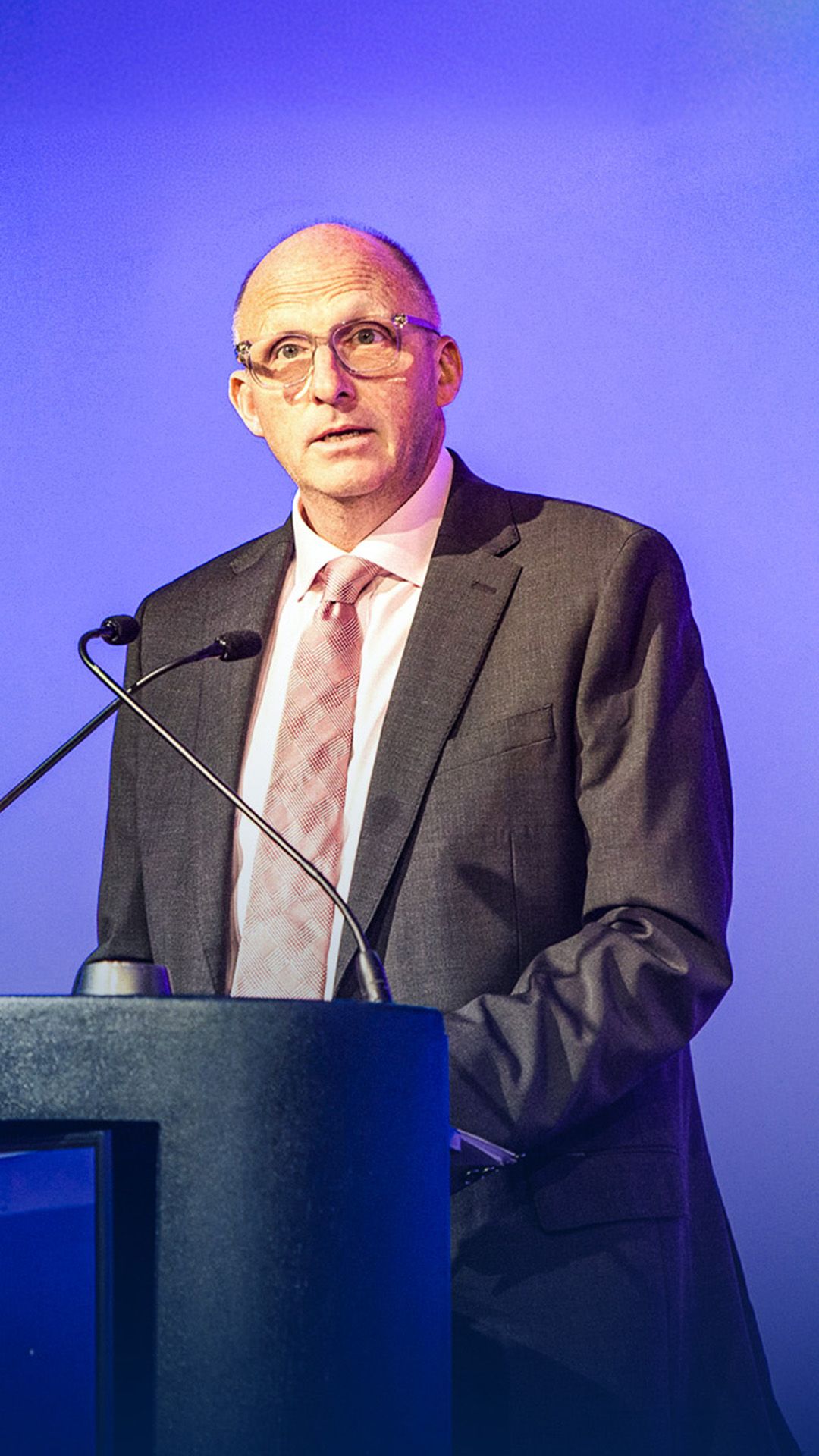
With special educational needs and disabilities (SEND) reforms, Ofsted and workload all high on the agenda, NAHT’s Annual Conference will be a defining moment for members and the union. In this feature, Leadership Focus journalist Nic Paton speaks to NAHT’s policy experts and general secretary about what to expect and introduces incoming president Dave Woods and his chosen charity.


NAHT Annual Conference 2026
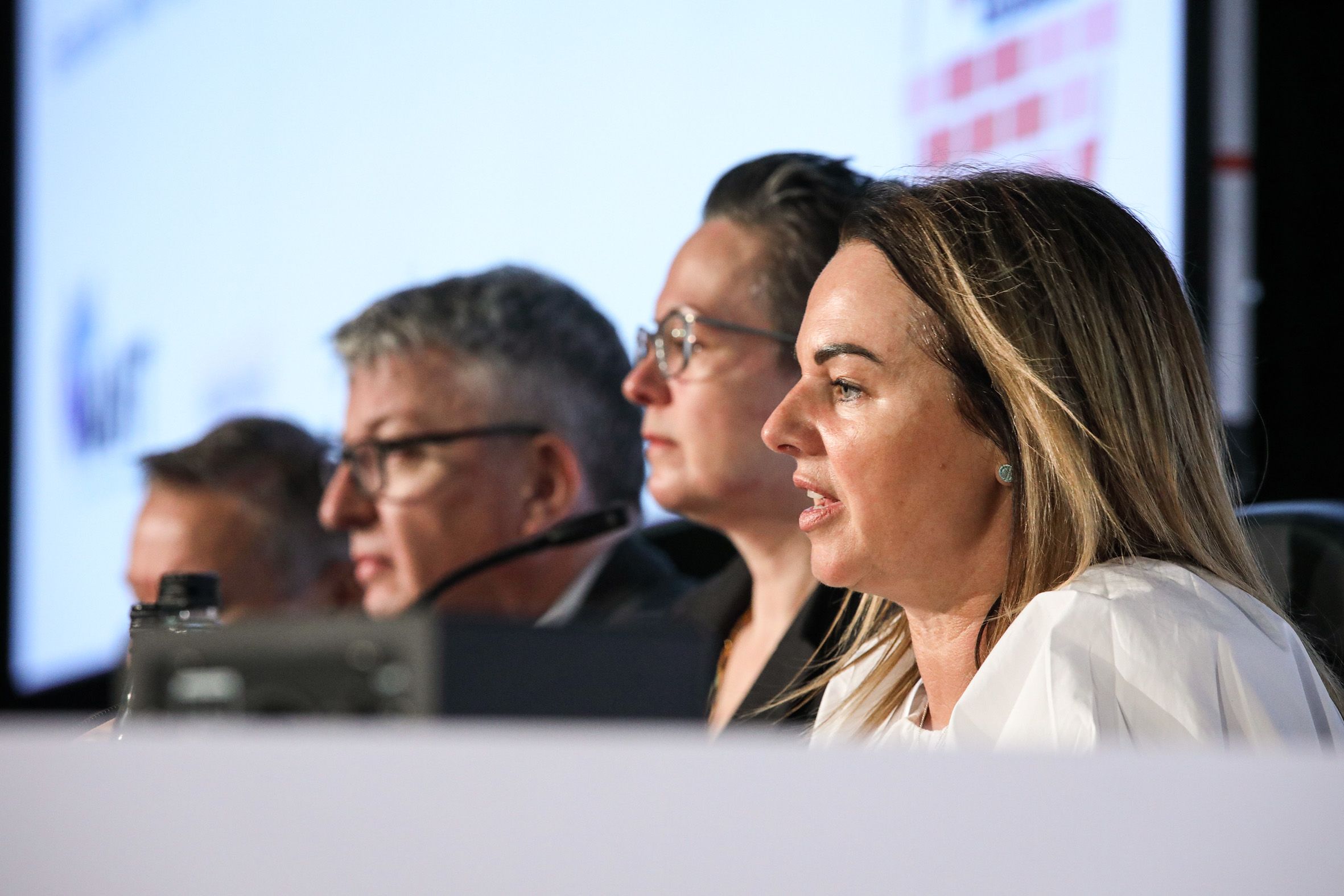
This year, NAHT’s Annual Conference is being held at the ICC in Belfast from Friday 1 to Saturday 2 May. “It should be a lively conference,” predicts NAHT general secretary Paul Whiteman, with SEND reforms and Ofsted both likely to be high on the agenda for members and at the forefront of the discussion.


PAUL WHITEMAN,
NAHT GENERAL SECRETARY
“Now that we have seen the government’s proposals for SEND in the white paper, there will be an opportunity for members to discuss those in more detail and shape our ongoing response. Members will want to talk about where they think the government has got things right, as well as where it has got things wrong,” he adds.



NAHT Annual Conference 2026
This year, NAHT’s Annual Conference is being held at the ICC in Belfast from Friday 1 to Saturday 2 May. “It should be a lively conference,” predicts NAHT general secretary Paul Whiteman, with SEND reforms and Ofsted both likely to be high on the agenda for members and at the forefront of the discussion.


PAUL WHITEMAN,
NAHT GENERAL SECRETARY
“Now that we have seen the government’s proposals for SEND in the white paper, there will be an opportunity for members to discuss those in more detail and shape our ongoing response. Members will want to talk about where they think the government has got things right, as well as where it has got things wrong,” he adds.





Shaping future direction
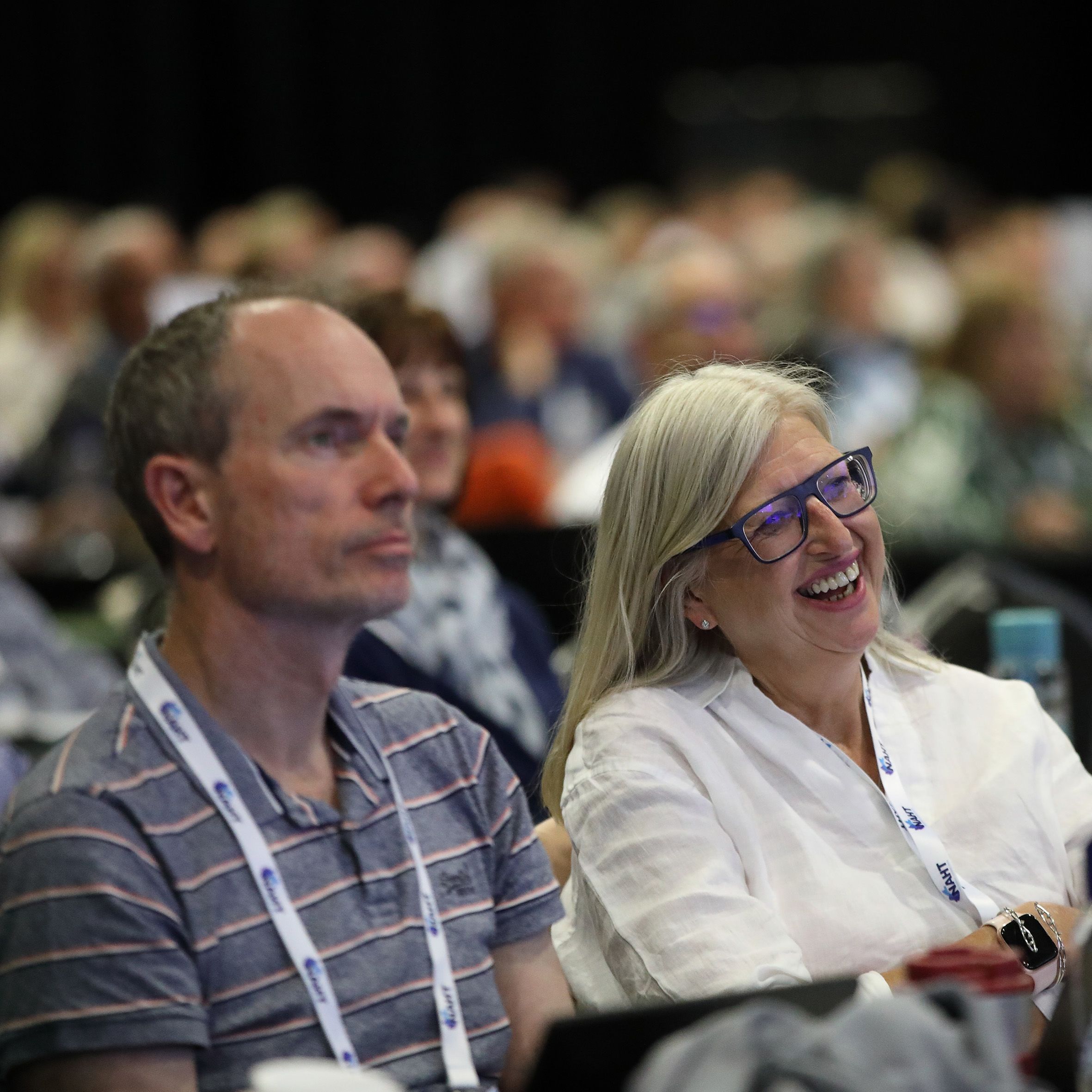
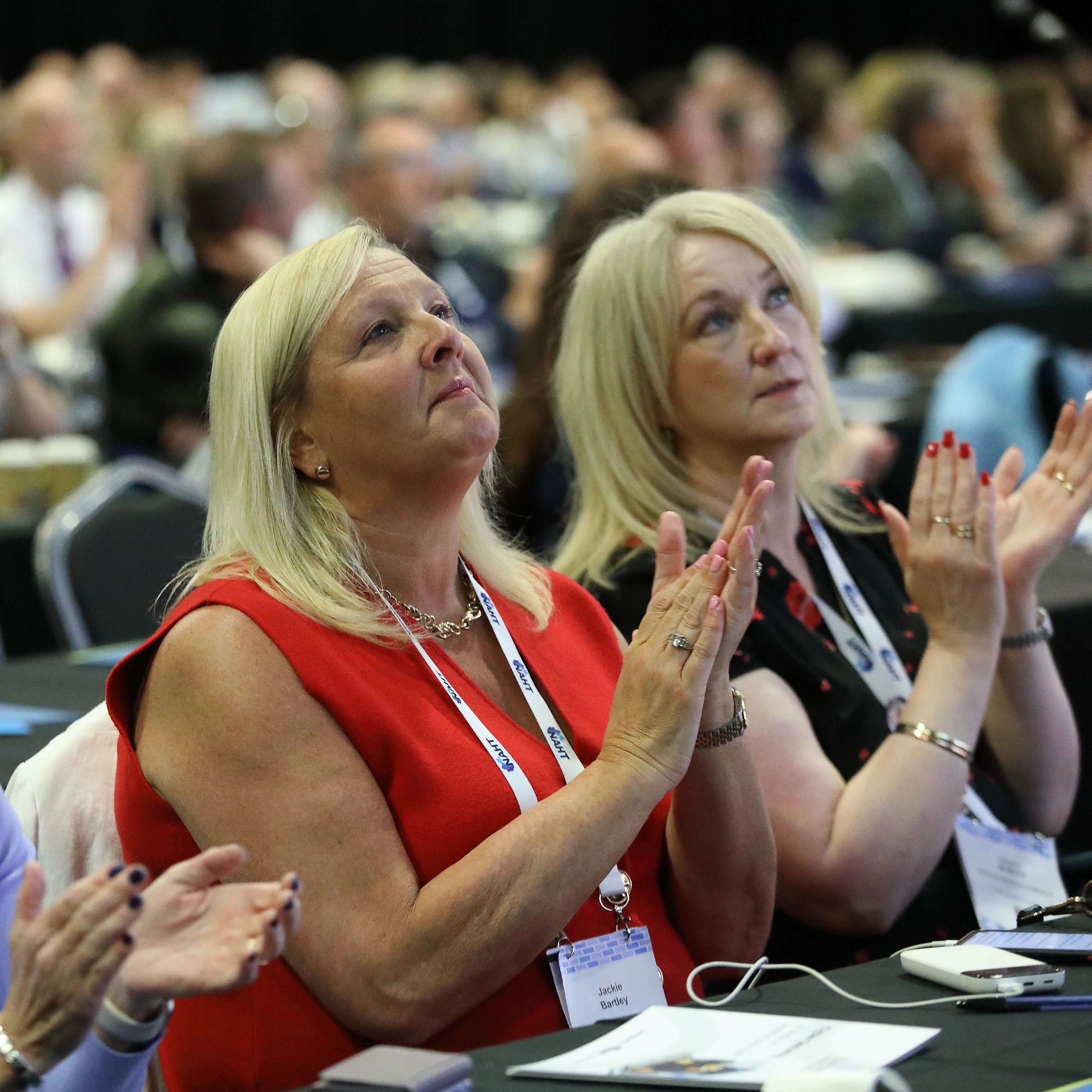
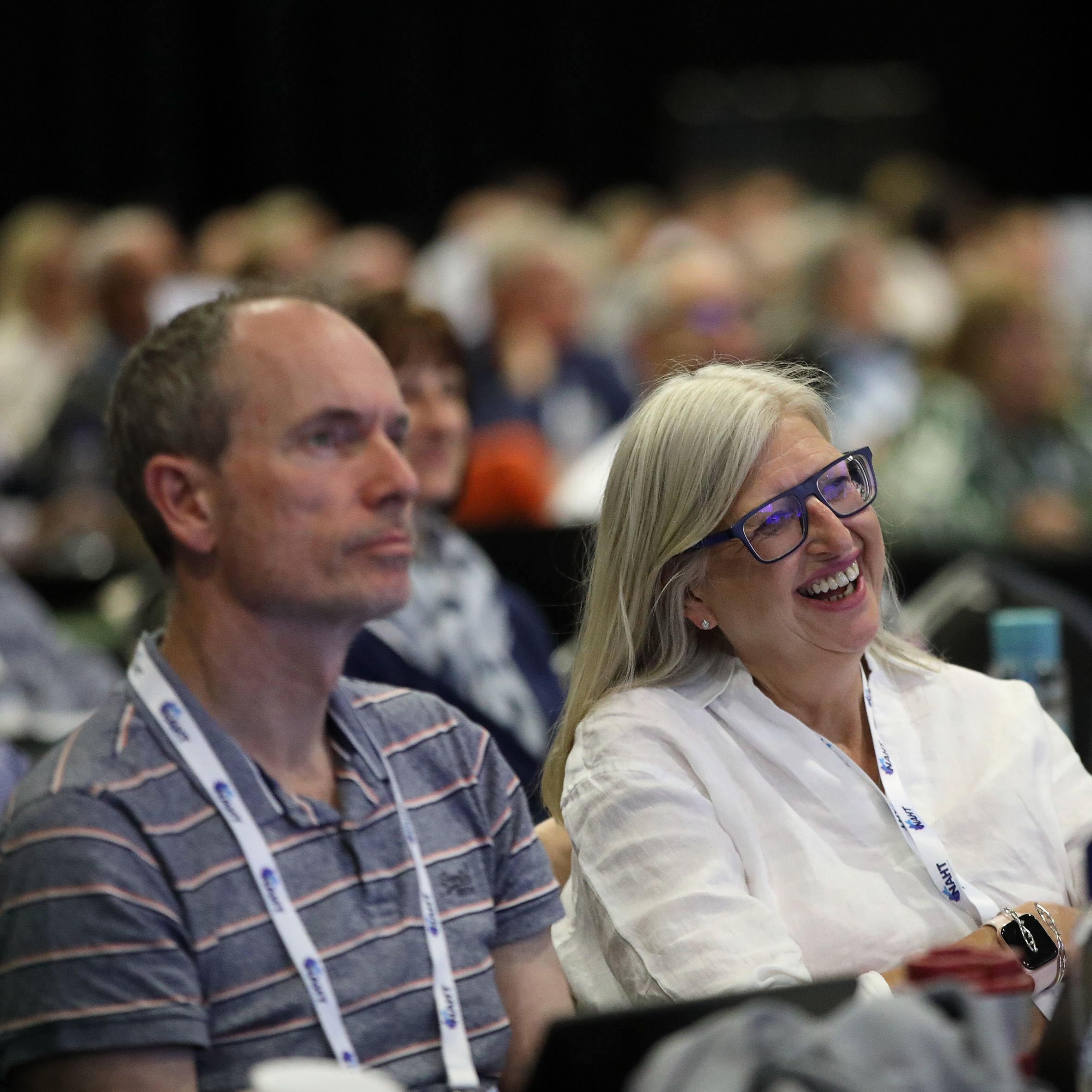
“Annual Conference is, of course, the most important date in the calendar for NAHT,” agrees NAHT assistant general secretary James Bowen. “It is the opportunity for members to shape NAHT’s direction and ensure the union’s priorities for the next 12 months reflect what they want to see us doing. It really is the single most important event that we do in any one year. Given the publication of the white paper in England, that is now more important than ever.”

JAMES BOWEN,
NAHT ASSISTANT GENERAL SECRETARY
As well as SEND reforms and accountability, key talking points this year are likely to be (as in previous years) workload and well-being, pay, recruitment and retention, parental complaints, school funding and the crumbling school estate, James predicts.
“On parental complaints, our ‘No excuse for abuse’ campaign grew out of a local initiative and really came to the fore at our 2024 conference. I fully expect there will be conversation around that again. We want to keep the momentum behind that campaign going,” he highlights, by way of example.
“More widely, nearly two years into the current Labour administration, the conference will be an opportunity to take the temperature on how members feel the government is delivering (or not) on education and, from there, how NAHT’s relationship with ministers may need to evolve.
“We are now into the mid-section of its term in office, and members are beginning to ask where this government is going with education. The recently published white paper provides some clarity on that, and it certainly gives members plenty to respond to,” James explains.
Shaping future direction
“Annual Conference is, of course, the most important date in the calendar for NAHT,” agrees NAHT assistant general secretary James Bowen. “It is the opportunity for members to shape NAHT’s direction and ensure the union’s priorities for the next 12 months reflect what they want to see us doing. It really is the single most important event that we do in any one year. Given the publication of the white paper in England, that is now more important than ever.”
JAMES BOWEN,
NAHT ASSISTANT GENERAL SECRETARY
As well as SEND reforms and accountability, key talking points this year are likely to be (as in previous years) workload and well-being, pay, recruitment and retention, parental complaints, school funding and the crumbling school estate, James predicts.

“On parental complaints, our ‘No excuse for abuse’ campaign grew out of a local initiative and really came to the fore at our 2024 conference. I fully expect there will be conversation around that again. We want to keep the momentum behind that campaign going,” he highlights, by way of example.
“More widely, nearly two years into the current Labour administration, the conference will be an opportunity to take the temperature on how members feel the government is delivering (or not) on education and, from there, how NAHT’s relationship with ministers may need to evolve.
“We are now into the mid-section of its term in office, and members are beginning to ask where this government is going with education. The recently published white paper provides some clarity on that, and it certainly gives members plenty to respond to,” James explains.


Political shifts and successes
A view from Northern Ireland
The fact that this year’s conference will be in Northern Ireland is an opportunity to reflect on and celebrate some of the successes achieved there by members over the past year, as NAHT national secretary (Northern Ireland) Dr Graham Gault explains.

DR GRAHAM GAULT,
NAHT NATIONAL SECRETARY (NORTHERN IRELAND)
“Over recent months, NAHT in Northern Ireland has made very significant progress in a number of areas. In fact, it has been potentially one of the most productive periods of improvement we’ve seen in years,” he tells Leadership Focus.
For example, just in January, NAHT secured a fully-funded 4% pay uplift for members in Northern Ireland, he points out, backdated to September. “Critically, there are no strings attached to that money; it is just a straight pay uplift. We are pleased with it because it restores parity with colleagues in England and gives school leaders a small measure of financial breathing space during this challenging period,” Graham says.
“It serves as a clear demonstration here in Northern Ireland that the sustained, strategic advocacy of the union, supported by the collective strength of the wider membership, continues to deliver real, measurable results for our members,” he adds.
It also builds on last year’s ‘26 heads of agreement’ pay and workload settlement. Key reforms within this include the requirement that school operational hours must now be formally communicated to parents, with the profession not expected to respond to parents outside those hours. There is also now co-designed guidance on school development planning in place. This, again, has been designed to reduce workload. Workload impact assessments are now embedded into any new initiatives coming from the employing authorities, with the same goal.
“The final success we have achieved, and which is crucial for us, is that we have secured an independent review of workload. That, again, arose from the pay deal secured last year. It is a ministerial commitment, with resourcing, for an independent review of workload for school leaders and teachers. It is a really important development,” Graham says.
However, he cautions that there are still conversations to be had with the minister on the next steps around workload and ensuring commitments are kept, so it may very much be a case of ‘watch this space’ as things develop.
“A key feature of holding the conference in Belfast is that, in Northern Ireland, we represent one of the smaller constituencies of the union. Yet we benefit greatly from the support and industrial leverage the union provides. The national executive is very tuned into issues on this side of the Irish Sea and very supportive of what we’re doing, and members in Belfast really feel that they are visible and supported in direct and profound ways. That sense of collective endeavour and solidarity is something we really feel,” Graham adds.
A view from Wales
“It is always great for NAHT to be out on the road – as the regional roadshow events in England have shown and as the conference will illustrate as well,” says NAHT national secretary (Wales) Laura Doel. “Members always get a warm welcome in Belfast, and since Welsh and Northern Irish members work closely together, it will be great to cross the Irish Sea to speak with and network among colleagues.

LAURA DOEL,
NAHT NATIONAL SECRETARY (WALES)
“For Welsh members, as much as our counterparts in Northern Ireland, there is an ongoing conversation around devolved government and the money that comes from the UK government via the Barnet Formula. We share the same concerns as colleagues in Northern Ireland about how much of that money actually reaches the devolved nations under that formula and, crucially, what happens once it is received.
“More widely, the Senedd elections later in May could result in a whole new change to the political direction in Wales, so I’m sure that will be something focusing minds,” Laura adds.
A view from Northern Ireland
The fact that this year’s conference will be in Northern Ireland is an opportunity to reflect on and celebrate some of the successes achieved there by members over the past year, as NAHT national secretary (Northern Ireland) Dr Graham Gault explains.
DR GRAHAM GAULT,
NAHT NATIONAL SECRETARY (NORTHERN IRELAND)
“Over recent months, NAHT in Northern Ireland has made very significant progress in a number of areas. In fact, it has been potentially one of the most productive periods of improvement we’ve seen in years,” he tells Leadership Focus.
For example, just in January, NAHT secured a fully-funded 4% pay uplift for members in Northern Ireland, he points out, backdated to September. “Critically, there are no strings attached to that money; it is just a straight pay uplift. We are pleased with it because it restores parity with colleagues in England and gives school leaders a small measure of financial breathing space during this challenging period,” Graham says.
“It serves as a clear demonstration here in Northern Ireland that the sustained, strategic advocacy of the union, supported by the collective strength of the wider membership, continues to deliver real, measurable results for our members,” he adds.
It also builds on last year’s ‘26 heads of agreement’ pay and workload settlement. Key reforms within this include the requirement that school operational hours must now be formally communicated to parents, with the profession not expected to respond to parents outside those hours. There is also now co-designed guidance on school development planning in place. This, again, has been designed to reduce workload. Workload impact assessments are now embedded into any new initiatives coming from the employing authorities, with the same goal.
“The final success we have achieved, and which is crucial for us, is that we have secured an independent review of workload. That, again, arose from the pay deal secured last year. It is a ministerial commitment, with resourcing, for an independent review of workload for school leaders and teachers. It is a really important development,” Graham says.
However, he cautions that there are still conversations to be had with the minister on the next steps around workload and ensuring commitments are kept, so it may very much be a case of ‘watch this space’ as things develop.
“A key feature of holding the conference in Belfast is that, in Northern Ireland, we represent one of the smaller constituencies of the union. Yet we benefit greatly from the support and industrial leverage the union provides. The national executive is very tuned into issues on this side of the Irish Sea and very supportive of what we’re doing, and members in Belfast really feel that they are visible and supported in direct and profound ways. That sense of collective endeavour and solidarity is something we really feel,” Graham adds.
A view from Wales
“It is always great for NAHT to be out on the road – as the regional roadshow events in England have shown and as the conference will illustrate as well,” says NAHT national secretary (Wales) Laura Doel. “Members always get a warm welcome in Belfast, and since Welsh and Northern Irish members work closely together, it will be great to cross the Irish Sea to speak with and network among colleagues.
LAURA DOEL,
NAHT NATIONAL SECRETARY (WALES)
“For Welsh members, as much as our counterparts in Northern Ireland, there is an ongoing conversation around devolved government and the money that comes from the UK government via the Barnet Formula. We share the same concerns as colleagues in Northern Ireland about how much of that money actually reaches the devolved nations under that formula and, crucially, what happens once it is received.
“More widely, the Senedd elections later in May could result in a whole new change to the political direction in Wales, so I’m sure that will be something focusing minds,” Laura adds.


Leading with joy: A call to action
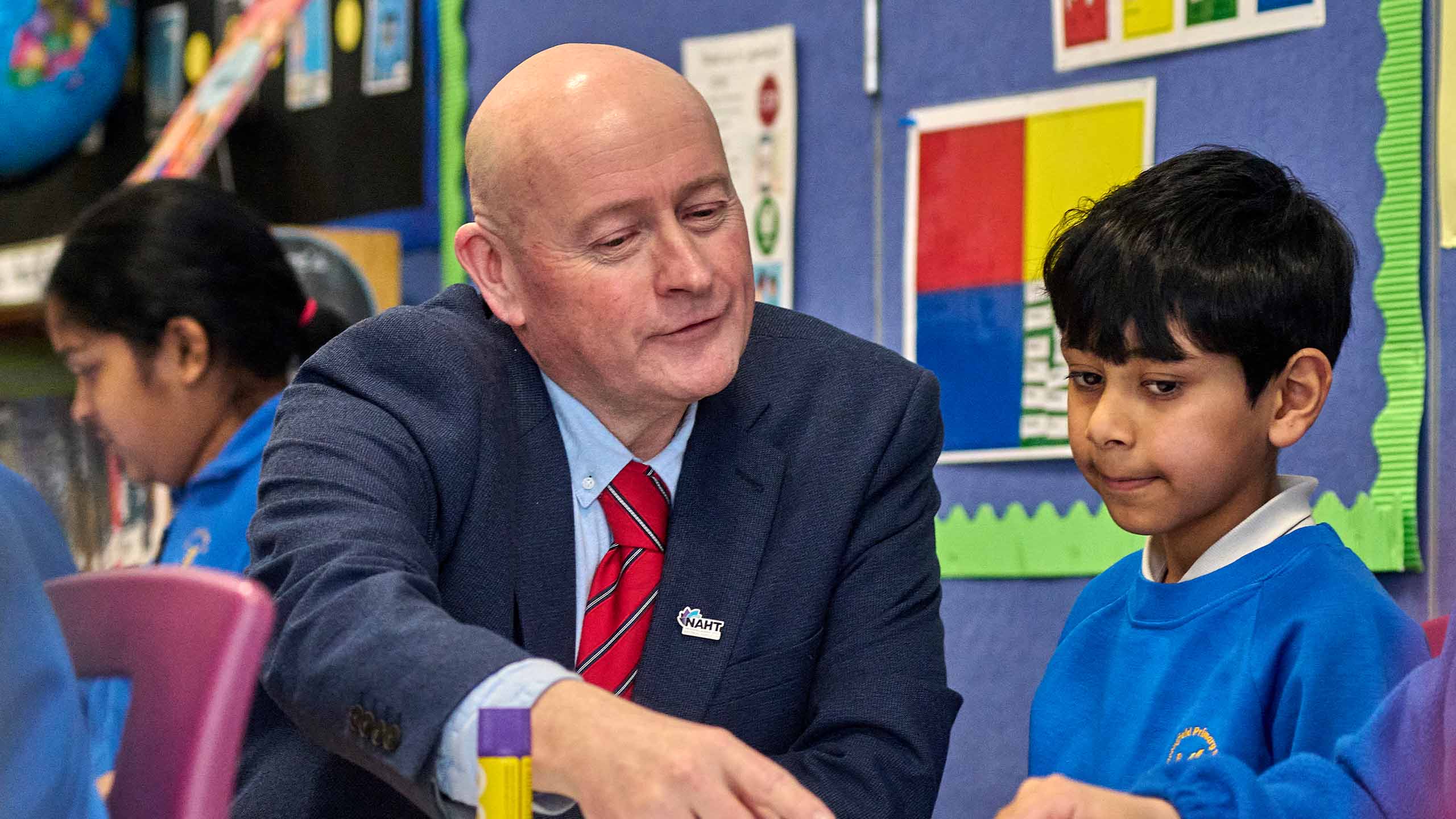
The conference will see NAHT’s presidency transition from Angi Gibson (left), head teacher at Hadrian Park Primary School in North Tyneside, to Dave Woods (right), head teacher at Beaconsfield Primary School in Southall, London (see panel below). “It’s been an amazing year – going to political party conferences, national educational summits, countless branch meetings and, most importantly, visiting members in their schools themselves,” Angi tells Leadership Focus.

“Those visits to members are what have absolutely stuck with me: seeing firsthand both the joy and the pain of leading a school. They’ve reminded me throughout the year why NAHT’s voice matters and why I wanted to do this.
“There is nothing that replaces standing in a corridor at the end of the day and hearing the head teacher talk honestly about what keeps them awake at night and, conversely, what makes it worthwhile in the morning.
“I’ve seen such extraordinary creativity and compassion in leaders who are holding communities together, supporting families in crisis and still finding space for all of their pupils to flourish in one way or another. But I have also seen the exhaustion, the sense that the system always asks for more than is reasonable.
“More than ever, particularly in the current funding crisis, we are having to do more with less. So, I would like to use the conference this year simply to remind everyone of the importance of restoring hope and pride within our profession. We need to give our leaders permission to feel proud again about what they do and how often they achieve the impossible within unrealistic timeframes and with less and less money.
“Conference, for me, should be a moment to celebrate what schools and school leaders achieve every single day, regardless of funding deficits or surviving the next inspection. Leading with joy, for me, is as much about leading with resilience, determination and tenacity. Determination is what matters, first and foremost, but joy and pride are what sustain careers, well-being and retention – and remind us why we do the job that we do,” Angi adds.


The conference will see NAHT’s presidency transition from Angi Gibson (left), head teacher at Hadrian Park Primary School in North Tyneside, to Dave Woods (right), head teacher at Beaconsfield Primary School in Southall, London (see panel below). “It’s been an amazing year – going to political party conferences, national educational summits, countless branch meetings and, most importantly, visiting members in their schools themselves,” Angi tells Leadership Focus.
“Those visits to members are what have absolutely stuck with me: seeing firsthand both the joy and the pain of leading a school. They’ve reminded me throughout the year why NAHT’s voice matters and why I wanted to do this.
“There is nothing that replaces standing in a corridor at the end of the day and hearing the head teacher talk honestly about what keeps them awake at night and, conversely, what makes it worthwhile in the morning.
“I’ve seen such extraordinary creativity and compassion in leaders who are holding communities together, supporting families in crisis and still finding space for all of their pupils to flourish in one way or another. But I have also seen the exhaustion, the sense that the system always asks for more than is reasonable.
“More than ever, particularly in the current funding crisis, we are having to do more with less. So, I would like to use the conference this year simply to remind everyone of the importance of restoring hope and pride within our profession. We need to give our leaders permission to feel proud again about what they do and how often they achieve the impossible within unrealistic timeframes and with less and less money.
“Conference, for me, should be a moment to celebrate what schools and school leaders achieve every single day, regardless of funding deficits or surviving the next inspection. Leading with joy, for me, is as much about leading with resilience, determination and tenacity. Determination is what matters, first and foremost, but joy and pride are what sustain careers, well-being and retention – and remind us why we do the job that we do,” Angi adds.

Darkening mood over funding
While there is still goodwill among members towards the current Labour government and its general direction of travel in terms of education, ministers should not assume this will be open-ended, especially if the tight funding climate does not improve, warns NAHT head of policy (professional) Ian Hartwright.

IAN HARTWRIGHT,
NAHT HEAD OF POLICY (PROFESSIONAL)
“There has been additional funding (including for SEND in the white paper), which has been welcome, but there is a worry among members that the government will feel that is enough. In real terms, when measured against the Consumer Price Index, we are still at the level of 2010-11. We are still 15 years behind in terms of investment in funding,” he says.
“This government is now nearly two years into its term. It remains frustrating, from my perspective, to get the change we need. There is also too much policy stasis, particularly around leadership and staff retention, because policymakers aren’t prepared to recognise and tackle the root causes or think in new ways. We are making progress in some areas, but it is frustratingly slow,” Ian adds.
“We’re being listened to, we’re in the room, we’re making representations and those representations are being received,” Paul agrees in conclusion. “We can already see the impact of that in some aspects of the white paper. For example, there is a whole section on improving the complaints process that I am confident would not have been in there without our ongoing lobbying.
“Annual Conference will be the first opportunity since the publication of the white paper to get a large number of members together and to take their temperature on both the overall vision and the specific proposals it contains. As always, we are a democratic union, and it is our members who will shape and direct our ongoing response,” he adds.
The deadline for submitting motions to the Annual Conference closed on Friday 6 February 2026. A full agenda will be published online ahead of the conference, including a briefing for union officials on Friday and a range of fringe meetings. There will then be a gala dinner on Saturday night.





Darkening mood over funding
While there is still goodwill among members towards the current Labour government and its general direction of travel in terms of education, ministers should not assume this will be open-ended, especially if the tight funding climate does not improve, warns NAHT head of policy (professional) Ian Hartwright.
IAN HARTWRIGHT,
NAHT HEAD OF POLICY (PROFESSIONAL)
“There has been additional funding (including for SEND in the white paper), which has been welcome, but there is a worry among members that the government will feel that is enough. In real terms, when measured against the Consumer Price Index, we are still at the level of 2010-11. We are still 15 years behind in terms of investment in funding,” he says.


“This government is now nearly two years into its term. It remains frustrating, from my perspective, to get the change we need. There is also too much policy stasis, particularly around leadership and staff retention, because policymakers aren’t prepared to recognise and tackle the root causes or think in new ways. We are making progress in some areas, but it is frustratingly slow,” Ian adds.
“We’re being listened to, we’re in the room, we’re making representations and those representations are being received,” Paul agrees in conclusion. “We can already see the impact of that in some aspects of the white paper. For example, there is a whole section on improving the complaints process that I am confident would not have been in there without our ongoing lobbying.
“Annual Conference will be the first opportunity since the publication of the white paper to get a large number of members together and to take their temperature on both the overall vision and the specific proposals it contains. As always, we are a democratic union, and it is our members who will shape and direct our ongoing response,” he adds.
The deadline for submitting motions to the Annual Conference closed on Friday 6 February 2026. A full agenda will be published online ahead of the conference, including a briefing for union officials on Friday and a range of fringe meetings. There will then be a gala dinner on Saturday night.




Leading for tomorrow
It’d be fair to say that incoming NAHT president Dave Woods did not have an auspicious start to his life in education. “I never liked school,” he laughs. "In fact I was, in effect, permanently excluded from nursery. I escaped and ran away. I got about a mile and a half away before anyone realised I had gone!”
Nevertheless, and even though he concedes that, growing up in Sydney, Australia, teaching was always his “second-choice career” (after being a doctor and working on submarines), Dave has been a passionate educationalist since coming to the UK in 1998.
“I came on a working holiday visa, expecting to go back after a few months, and ended up doing supply work all over London,” he tells Leadership Focus. “I got offered a term’s cover in a school, which then extended to a year in another school, quite a challenging school in Canning Town. There were only five permanent staff – the head teacher, the deputy head teacher, a special educational needs coordinator (SENCo) and two class teachers – everyone else was on supply contracts.
“Ofsted arrived and, rather unsurprisingly, the school was judged to be a failing school and went into special measures. The head teacher departed, the deputy head teacher was about two years off retirement and wasn’t really interested, and so I, the SENCo and teachers from New Zealand and South Africa came together and wrote the school improvement plan,” he adds.
By the time he left six years later, he had been promoted to deputy head teacher. He then moved to his current school – Beaconsfield Primary School in Southall – where he has now been the head teacher for 20 years.
“We have gone from a one-form entry school with a falling roll to a two-form entry school with a stable roll. We’ve opened a specialist resource provision for pupils with autism, which has now expanded four times. We’ve become one of those magnet schools for pupils with SEND. We had a letter just this week from the secretary of state for education, Bridget Phillipson, for the work we do on inclusion, which was rewarding for my staff team,” Dave adds.
A committed trade unionist since the age of 16, he describes himself as “humbled and proud” to be the incoming NAHT president. His year will be focused on two key themes: internationalism and, complementing Angi Gibson’s presidential year (which focused on restoring the ‘joy’ to school leadership), the need to strive and build a better, more ambitious future.
“Governments continually talk about education spending as a cost, but actually education spending should be seen as an investment, an investment in the future of the entire country, the future of wider society,” Dave explains.
“I’d like this year to be about striving for a future that can – and should – be better. It’s all well and good to say, ‘Here are some problems,’ but you also have to say, ‘This is the ideal; this is what we’re aiming for, and if we all work together, we can get there.’ My hope is to look forward to the better vision that we want. If that’s not possible right now, what do we need to do – collectively – to get there? We can stand forever and say, ‘This isn’t working, that is broken, and it’s all terrible.’ But, actually, that’s not going to help us move forward,” he adds.
Leading for tomorrow
It’d be fair to say that incoming NAHT president Dave Woods did not have an auspicious start to his life in education. “I never liked school,” he laughs. "In fact I was, in effect, permanently excluded from nursery. I escaped and ran away. I got about a mile and a half away before anyone realised I had gone!”


Nevertheless, and even though he concedes that, growing up in Sydney, Australia, teaching was always his “second-choice career” (after being a doctor and working on submarines), Dave has been a passionate educationalist since coming to the UK in 1998.
“I came on a working holiday visa, expecting to go back after a few months, and ended up doing supply work all over London,” he tells Leadership Focus. “I got offered a term’s cover in a school, which then extended to a year in another school, quite a challenging school in Canning Town. There were only five permanent staff – the head teacher, the deputy head teacher, a special educational needs coordinator (SENCo) and two class teachers – everyone else was on supply contracts.


“Ofsted arrived and, rather unsurprisingly, the school was judged to be a failing school and went into special measures. The head teacher departed, the deputy head teacher was about two years off retirement and wasn’t really interested, and so I, the SENCo and teachers from New Zealand and South Africa came together and wrote the school improvement plan,” he adds.

By the time he left six years later, he had been promoted to deputy head teacher. He then moved to his current school – Beaconsfield Primary School in Southall – where he has now been the head teacher for 20 years.
“We have gone from a one-form entry school with a falling roll to a two-form entry school with a stable roll. We’ve opened a specialist resource provision for pupils with autism, which has now expanded four times. We’ve become one of those magnet schools for pupils with SEND. We had a letter just this week from the secretary of state for education, Bridget Phillipson, for the work we do on inclusion, which was rewarding for my staff team,” Dave adds.

A committed trade unionist since the age of 16, he describes himself as “humbled and proud” to be the incoming NAHT president. His year will be focused on two key themes: internationalism and, complementing Angi Gibson’s presidential year (which focused on restoring the ‘joy’ to school leadership), the need to strive and build a better, more ambitious future.
“Governments continually talk about education spending as a cost, but actually education spending should be seen as an investment, an investment in the future of the entire country, the future of wider society,” Dave explains.
“I’d like this year to be about striving for a future that can – and should – be better. It’s all well and good to say, ‘Here are some problems,’ but you also have to say, ‘This is the ideal; this is what we’re aiming for, and if we all work together, we can get there.’ My hope is to look forward to the better vision that we want. If that’s not possible right now, what do we need to do – collectively – to get there? We can stand forever and say, ‘This isn’t working, that is broken, and it’s all terrible.’ But, actually, that’s not going to help us move forward,” he adds.



Remembering Srebrenica
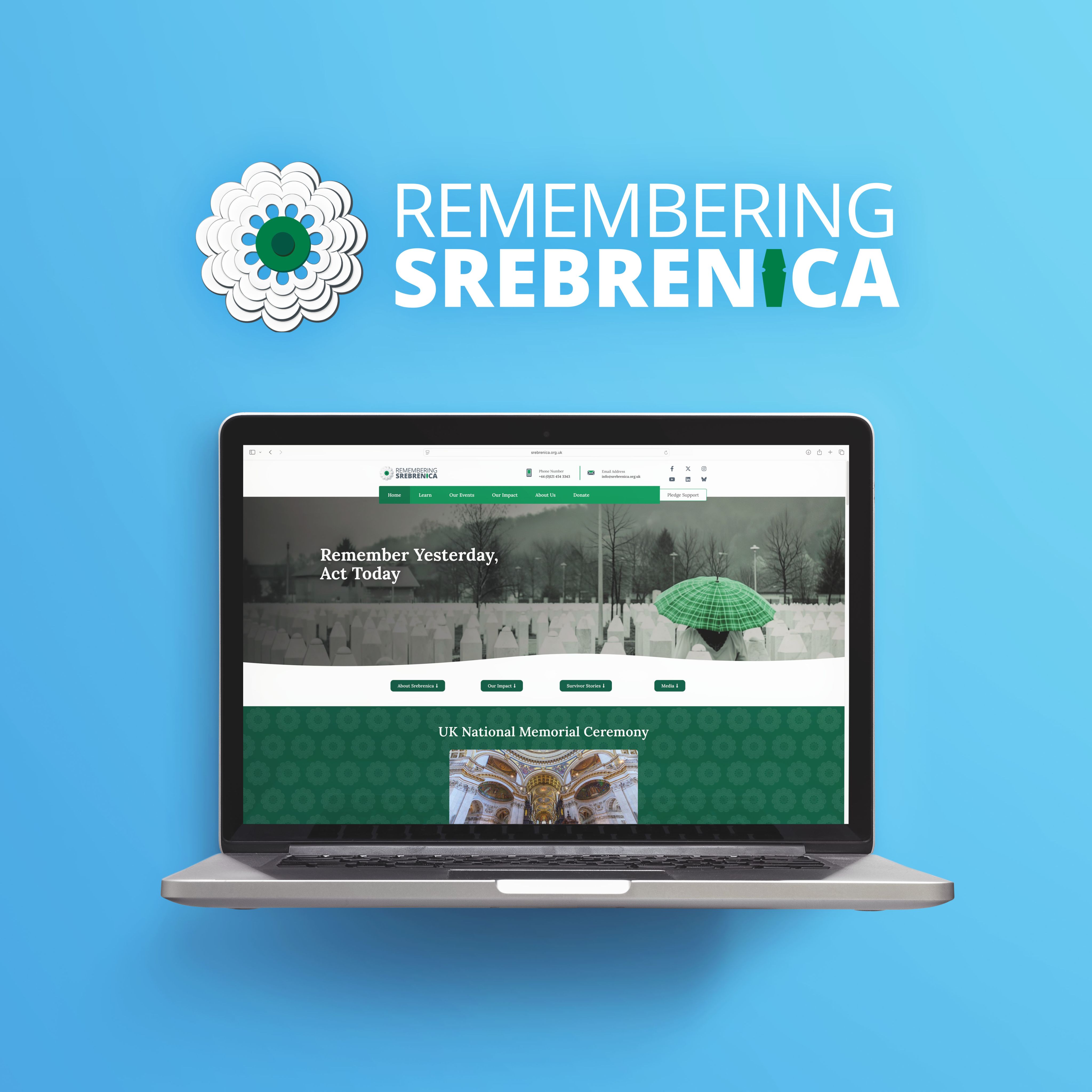
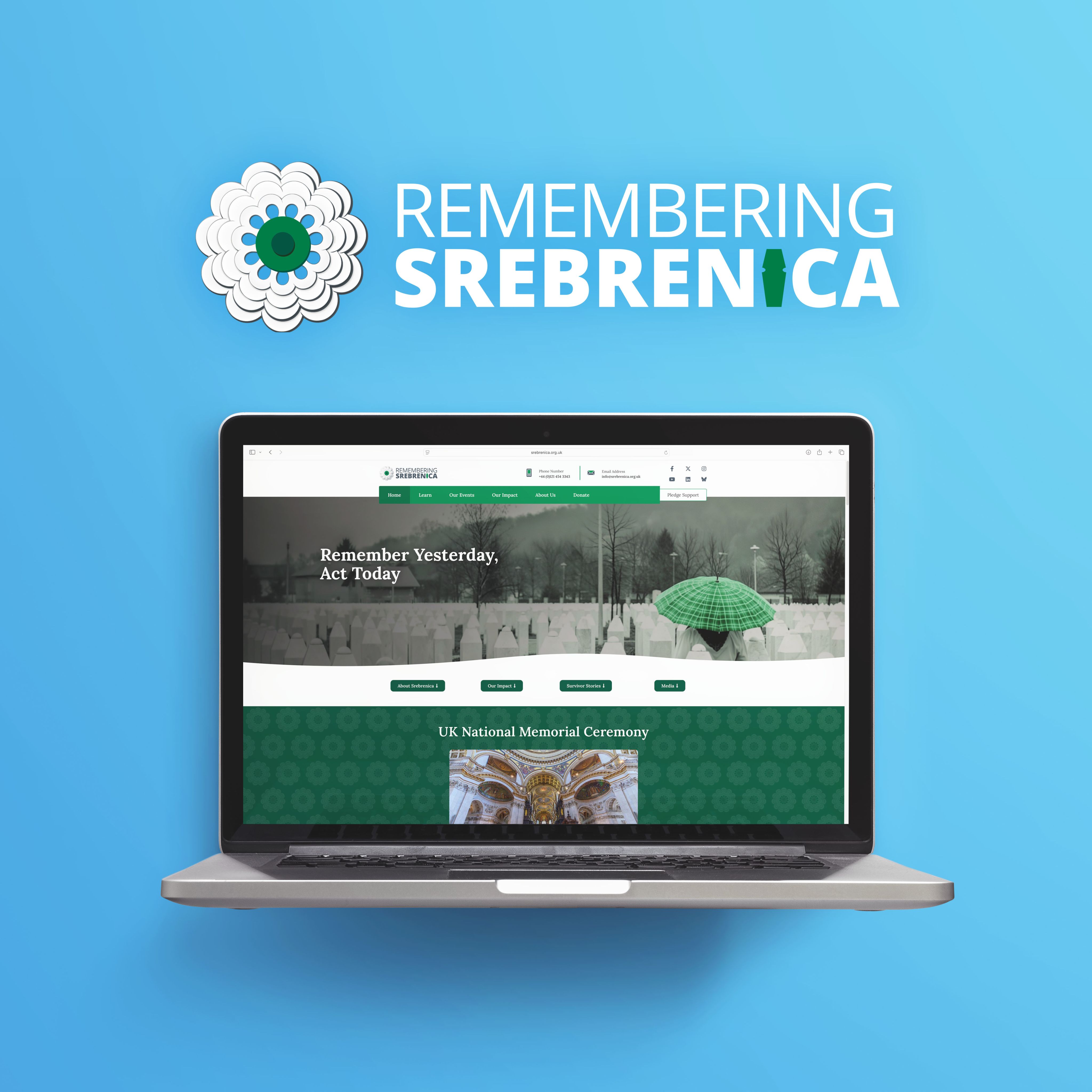
Finally – and channelling his passion for internationalism – Dave’s chosen charity for his presidential year will be Remembering Srebrenica, which works to remember and educate people about the 1995 genocide when more than 8,000 Bosnian Muslim men and boys were massacred during the war in the Balkans.

As chair of NAHT’s International Committee, Dave was one of a delegation that visited Bosnia and the city of Sarajevo to commemorate the genocide. “We met the most amazing mothers who were the survivors and had had their husbands, fathers and children murdered because of hate. They didn’t want revenge; all they wanted was to educate others about what had happened and ensure it didn’t happen again,” he recalls.
“It was such a dark moment when we stood inside the morgue, where there are still all these unidentified remains, which they are still working through to identify and reunite with families. So, I want to use my year to do all I can to help educate people about the horror of what humans as a species are capable of and work to prevent that happening again in the future because, currently, here in Britain and around the world, a tirade of hate continues to grow. Education can be the critical counter-narrative to this hate,” Dave adds in conclusion.


Remembering Srebrenica


Finally – and channelling his passion for internationalism – Dave’s chosen charity for his presidential year will be Remembering Srebrenica, which works to remember and educate people about the 1995 genocide when more than 8,000 Bosnian Muslim men and boys were massacred during the war in the Balkans.
As chair of NAHT’s International Committee, Dave was one of a delegation that visited Bosnia and the city of Sarajevo to commemorate the genocide. “We met the most amazing mothers who were the survivors and had had their husbands, fathers and children murdered because of hate. They didn’t want revenge; all they wanted was to educate others about what had happened and ensure it didn’t happen again,” he recalls.
“It was such a dark moment when we stood inside the morgue, where there are still all these unidentified remains, which they are still working through to identify and reunite with families. So, I want to use my year to do all I can to help educate people about the horror of what humans as a species are capable of and work to prevent that happening again in the future because, currently, here in Britain and around the world, a tirade of hate continues to grow. Education can be the critical counter-narrative to this hate,” Dave adds in conclusion.
 Built with Shorthand