





















As education secretary Bridget Phillipson promises to simplify how parents raise complaints with schools, Leadership Focus journalist Nic Paton looks into what a more streamlined system could mean for school leaders already drowning in complaints and why reform can’t come soon enough. Nic also explores the closely related issue of legal protection in schools. As society becomes increasingly litigious, do school leaders truly understand the extent of the cover they have – and, more importantly, is it sufficient?
A growing tide of parental complaints
Over the summer, education secretary Bridget Phillipson told The Times newspaper that she intends to streamline the system around complaints by parents to schools, both to improve outcomes for parents and, as importantly, reduce the deluge currently overwhelming many schools and school leaders.
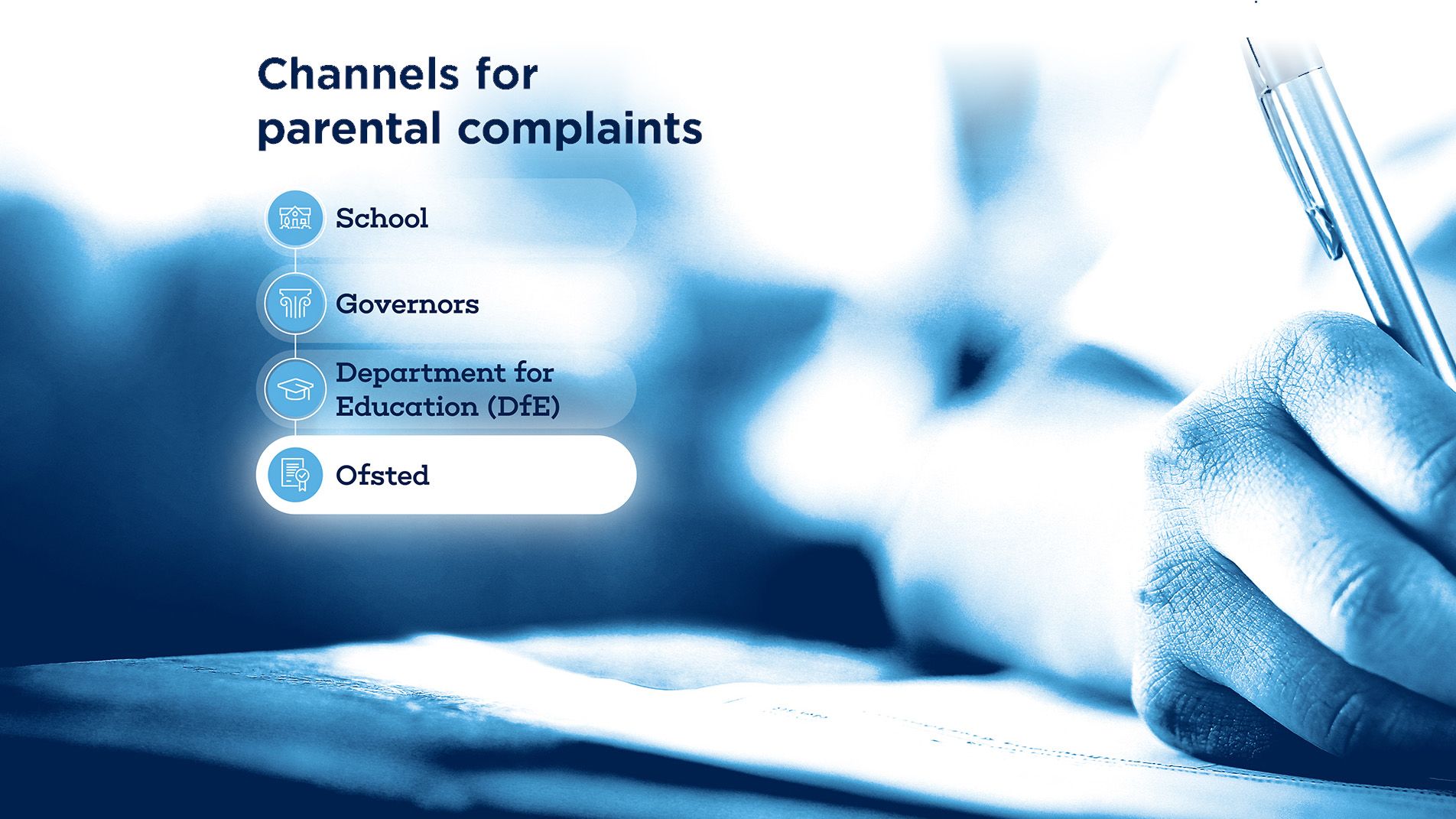
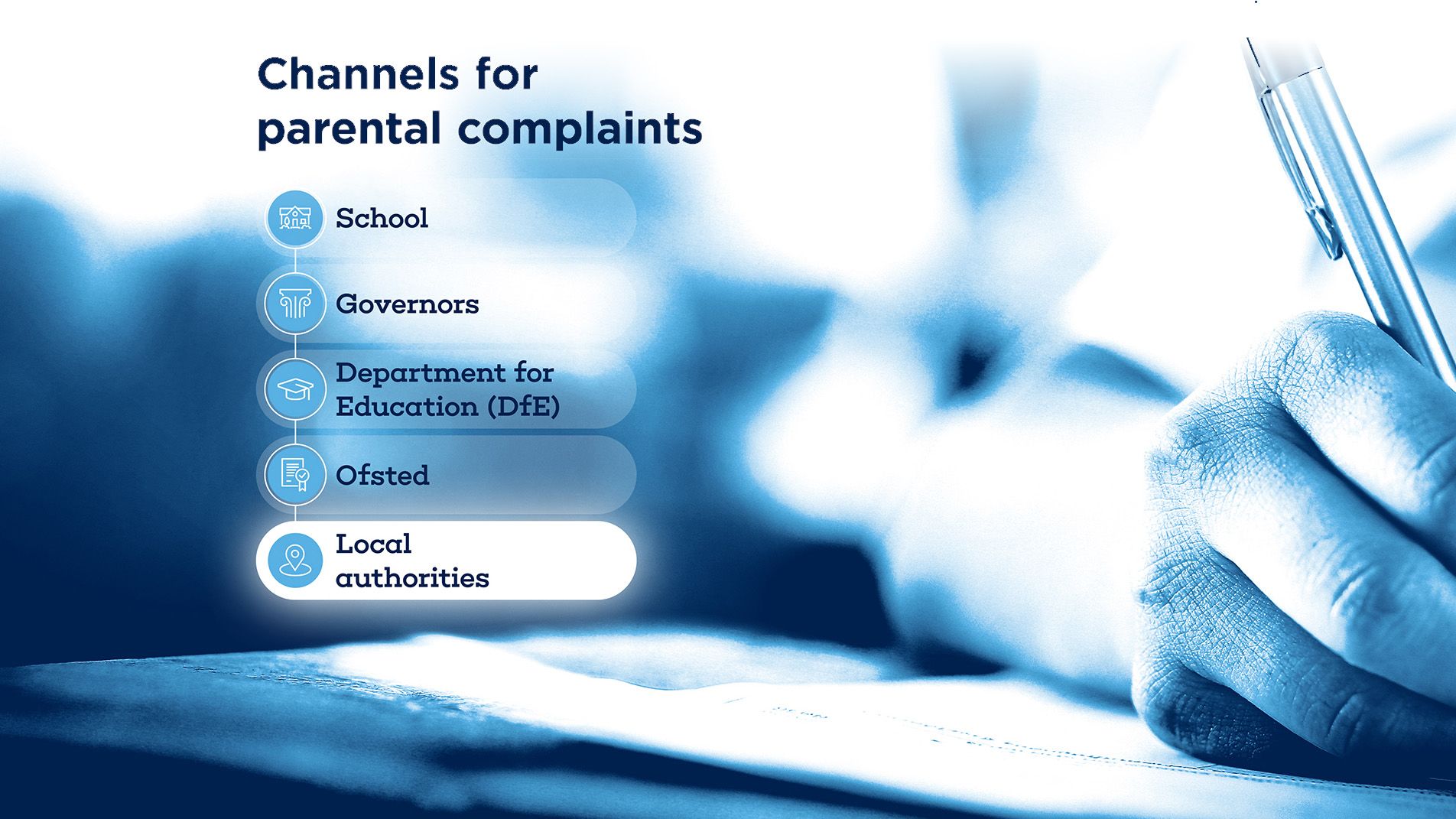
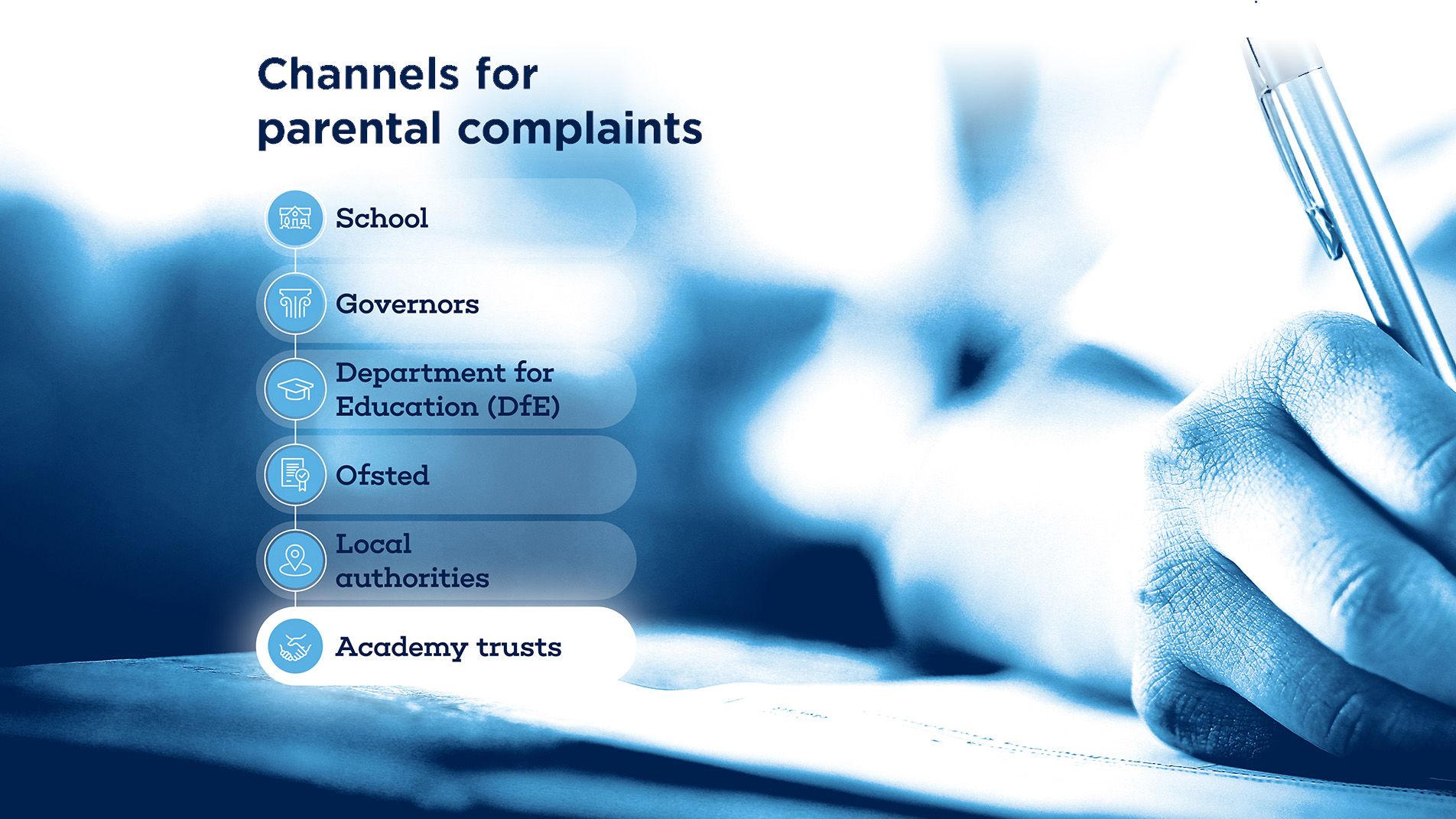
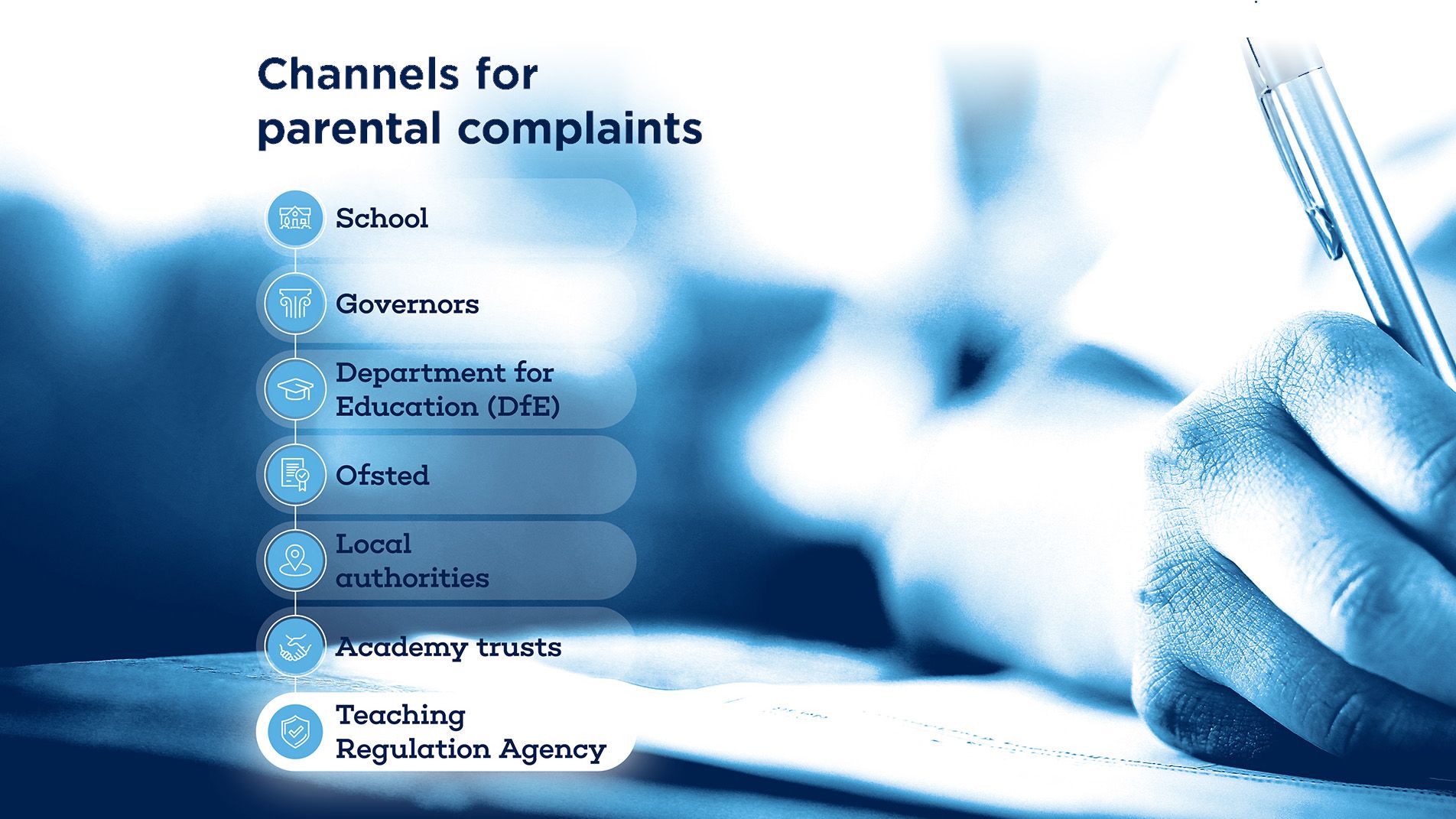
Under the current system, parents can lodge complaints through multiple channels, including the school, governors, the Department for Education (DfE), Ofsted, local authorities, academy trusts and the Teaching Regulation Agency.
Although the government’s plans remain a little sketchy, the idea would be to streamline or limit how this works, perhaps by requiring complaints to be lodged with a central body initially.
For school leaders, any reform or change in this vein will be very much welcomed – and, in fact, can’t come soon enough. As Leadership Focus highlighted over the summer, social media and the growing use of artificial intelligence (AI) are fuelling a surge in parental complaints, leaving many schools and school leaders struggling to cope.


JAMES BOWEN,
NAHT ASSISTANT GENERAL SECRETARY
As NAHT assistant general secretary James Bowen explains: “When I speak to members around the country and ask, ‘What’s the thing that you’re most concerned about at the moment?’ nearly every single time, parental complaints is one of the top three concerns. And that’s changed from five years ago.
“Parents are finding it increasingly easy to complain using AI to draft seven-, eight- or nine-page complaints referencing all sorts of legal bills and legislation. On top of this, there are WhatsApp and Facebook groups, online petitions, and memes, and schools have no way to reply.
“Genuinely, I think schools are finding it really difficult. There’s been an increase in vexatious complaints as well, where somebody is deliberately complaining to make a school leader’s life difficult. At the worst end of the spectrum, it starts blurring into what can only be described as abusive behaviour. There is a very fine line between a vexatious complaint and abuse, and I think that line is being crossed all too often. That’s why we have been running our ongoing ‘No excuse for abuse’ campaign.”










A growing tide of parental complaints
Over the summer, education secretary Bridget Phillipson told The Times newspaper that she intends to streamline the system around complaints by parents to schools, both to improve outcomes for parents and, as importantly, reduce the deluge currently overwhelming many schools and school leaders.
Under the current system, parents can lodge complaints through multiple channels, including the school, governors, the Department for Education (DfE), Ofsted, local authorities, academy trusts and the Teaching Regulation Agency.
Although the government’s plans remain a little sketchy, the idea would be to streamline or limit how this works, perhaps by requiring complaints to be lodged with a central body initially.
For school leaders, any reform or change in this vein will be very much welcomed – and, in fact, can’t come soon enough. As Leadership Focus highlighted over the summer, social media and the growing use of artificial intelligence (AI) are fuelling a surge in parental complaints, leaving many schools and school leaders struggling to cope.
JAMES BOWEN,
NAHT ASSISTANT GENERAL SECRETARY
As NAHT assistant general secretary James Bowen explains: “When I speak to members around the country and ask, ‘What’s the thing that you’re most concerned about at the moment?’ nearly every single time, parental complaints is one of the top three concerns. And that’s changed from five years ago.
“Parents are finding it increasingly easy to complain using AI to draft seven-, eight- or nine-page complaints referencing all sorts of legal bills and legislation. On top of this, there are WhatsApp and Facebook groups, online petitions, and memes, and schools have no way to reply.
“Genuinely, I think schools are finding it really difficult. There’s been an increase in vexatious complaints as well, where somebody is deliberately complaining to make a school leader’s life difficult. At the worst end of the spectrum, it starts blurring into what can only be described as abusive behaviour. There is a very fine line between a vexatious complaint and abuse, and I think that line is being crossed all too often. That’s why we have been running our ongoing ‘No excuse for abuse’ campaign.”





Calls for government action
Positively, and in line with the reports over the summer, James does believe the DfE ‘gets’ the scale of the problem and is preparing to act. “There are some specific things the government could do to help the situation. For example, the DfE could make it very clear that you cannot complain to multiple agencies at the same time and, if a parent does try to escalate that complaint, say, ‘You need to prove to us that you have been through the school’s complaints process before we’ll listen to that,’” he points out.
“It could say no more anonymous complaints, unless there is a very clear safeguarding issue. I think it could also strengthen the guidance on how schools can handle vexatious complaints, as well as abusive behaviour. Of course, schools should listen to complaints and respond, but they should be able to say far quicker, ‘This is as far as we’re going to go,’” James adds.

KATE ATKINSON,
NAHT NATIONAL SECRETARY (ADVICE)
Day-to-day complaints are, of course, one thing, but a further element in this data deluge is parental complaints that turn legal, and the mental, emotional and potentially financial toll this can take on schools and school leaders. Again, the rise of AI is fuelling what is a worrying trend for schools, as NAHT national secretary (advice) Kate Atkinson highlights.

Calls for government action
Positively, and in line with the reports over the summer, James does believe the DfE ‘gets’ the scale of the problem and is preparing to act. “There are some specific things the government could do to help the situation. For example, the DfE could make it very clear that you cannot complain to multiple agencies at the same time and, if a parent does try to escalate that complaint, say, ‘You need to prove to us that you have been through the school’s complaints process before we’ll listen to that,’” he points out.
“It could say no more anonymous complaints, unless there is a very clear safeguarding issue. I think it could also strengthen the guidance on how schools can handle vexatious complaints, as well as abusive behaviour. Of course, schools should listen to complaints and respond, but they should be able to say far quicker, ‘This is as far as we’re going to go,’” James adds.
KATE ATKINSON,
NAHT NATIONAL SECRETARY (ADVICE)
Day-to-day complaints are, of course, one thing, but a further element in this data deluge is parental complaints that turn legal, and the mental, emotional and potentially financial toll this can take on schools and school leaders. Again, the rise of AI is fuelling what is a worrying trend for schools, as NAHT national secretary (advice) Kate Atkinson highlights.



The legal and financial toll
“People are using ChatGPT, or other AI tools, and getting something that sounds quite legal and may even have a kernel of legal truth in it, which may require review by an expert. This means schools are unable to deal with them at a lower level anymore. Schools still need to consider them and respond; they cannot ignore this sort of correspondence. And if you don’t have an appropriate level of legal support – even if it is just to bat it off with a short letter – school leaders can get completely stuck and feel quite afraid,” she points out. While a broader issue than just parental complaints, this sort of action can often start with a parental complaint and then escalate, and not having the appropriate legal cover in place when this happens can cause significant issues.
NAHT’s advice team, for example, points to a recent example of a school that had a discrimination case against it in the Special Educational Needs and Disability (SEND) Tribunal. This would ordinarily require a legal representative to defend and represent the school. However, because the school only had very basic legal cover in place, its only option would have been to hire a solicitor on a pay-as-you-go model, which would have been exorbitantly expensive.
The result was that responsibility for preparing the school’s legal defence and presenting the case at the SEND Tribunal fell to the head teacher which, naturally, represented a significant increase in their workload and stress levels.
Additionally, not only can parental complaints become an obstacle, but employee disputes can also become one, particularly if it becomes evident that the school has reduced or eliminated its employer’s legal expenses insurance. Employment based claims from employees can be very challenging and become more so if you’re unsure about the amount of legal cover you have in place.

LINDSAY RUIGROK,
NAHT SPECIALIST ADVISER
“I have come across occasions where a head teacher thought they had employment legal expenses insurance, but it had been removed from their service-level agreement, and they didn’t know. So, it is worth checking,” highlights NAHT specialist adviser Lindsay Ruigrok.
“Even if you are confident the claim does not have any merit, to know how to respond is quite difficult. You really do have to work through the various steps quite carefully,” Lindsay explains.
“If the school doesn’t have legal expenses insurance, that can be problematic. A member I spoke to recently explained that their school was dealing with a complicated dismissal and discrimination claim with a former employee. The school received a 20-minute phone call as part of its service-level agreement with the local authority.
“After that, it had to pay. Given that this claim had several complicated elements and was brought by someone who was behaving unreasonably, navigating an appropriate response was complex.
“Defending a claim of this nature – even when an employer has followed good employment practices – can be time-consuming and challenging. In terms of costs, in addition to support with responding to and handling the claim, there may be a hearing of several days if it is seen through to the end, which can be expensive. This can be difficult and feel unfair for schools that are already operating within a tight budget.
“Schools should, therefore, be aware of whether or not they have legal expenses insurance for employment tribunal claims, and on what basis cover is provided. For example, it may be following what’s called a merits assessment, where the provider looks at the case, gauges whether you have followed a fair process and then, if you have, it will support you in defending that claim, including paying your legal fees and covering the cost of any reasonable settlement to resolve it,” she adds. Some providers may require you to run certain decisions past them to ensure legal cover.

YIN-WAI WONG,
NAHT SOLICITOR
“The vulnerability to legal claims is ever-present and exists quite independently of how scrupulously members (and schools) conduct themselves. Complaints and claims do come through and, whether meritorious or vexatious, require expertise and resources to deal with, so employers should be realistic about them,” agrees NAHT solicitor Yin-Wai Wong.
“Legal expenses insurance is useful in terms of providing for contingencies in a systematic way and, one could argue, is important for members’ well-being. If, in addition, it plays any part in working against the stigma of conflict management and resolution, then that can only be a good thing,” they add.








Managing risk and legal cover
While employment legal expenses insurance is one option for schools, it is, of course, true that schools may not be in a financial position to have the ideal comprehensive cover in place. The main message is that schools should be aware of the issue regarding the level of cover in place and have a plan to address any gaps.
There are other options in respect of how schools may mitigate the risk of employment tribunal claims – for example, they may invest in HR services, good training and robust employment policies, which they follow in a fair, reasonable and consistent manner – although it’s fair to say that even with these measures in place, there can always be vexatious claims that will cause members headaches.

MALACHY EDWARDS,
NAHT SPECIALIST ADVISER
“Many school leaders will have been in headship for some years and may not have experienced this,” adds NAHT specialist adviser Malachy Edwards. “They will, of course, have had complaints, but not serial complainants, online trolls and petitions. However, you are likely to encounter one of these at some point now.
“The difficulty is that schools may not look at their legal cover until one of these turns up, which is too late really. It can become a nightmare. So it really is vital that a governing body has legal cover in the event of any sort of claim. For example, these sorts of issues are different to the possible issues caused by employees (or former employees) raising legal claims, so understanding exactly what is and isn’t covered, even on this macro level, is key.
“Our advice is very clear: make sure your school has legal cover because our involvement in these situations, which are typically between a parent and school, is going to be very limited. A lack of legal cover in a school creates tremendous pressure on a member. If the employer doesn’t have adequate legal cover and fails to put a shoulder behind and protect their employee from abuse and harassment, NAHT will then have an issue with that employer,” he adds.
A further point to emphasise within this is that, while NAHT – and NAHT’s advice team – will be able to support and advise an individual member to an extent, this legal expenses cover is something that needs to be in place at a school or trust level. “We, at NAHT, cannot defend members if there is a claim lodged against their school naming them as one of the respondents, as that should be the responsibility of the school. In other words, the school should support the claim, since it is really a claim against the school, with the head teacher named in that capacity alone,” explains Kate.
“What ought to happen is that the member’s employer should protect and support them. However, if you don’t have a very good legal package, you can find yourself quite alone. Ultimately, cutting back on this sort of legal cover is, in the current climate, a false economy in terms of protecting you and your school,” she adds.
The human and equality impact – and the need for reform

NATALIE HIGHFIELD,
NAHT SENIOR EQUALITIES OFFICER
There can, too, be an important equality aspect to all this, highlights Natalie Highfield, NAHT senior equalities officer. “It sometimes feels as if there can be a power dynamic to these complaints, especially for women leaders,” she points out. “Some of it is overtly sexist, while on other occasions it can feel much more subtle or insidious. There can be that element of feeling unsafe. How, as a leader, do you confront an aggressive parent or parental group?
“Equally, we are hearing reports of members experiencing racist language, derogatory tone or anti-immigration rhetoric. If you are a Black school leader trying to navigate that, it’s not just professionally challenging but personally impactful, too. Even if it doesn’t reach the threshold for legal action, it can still have a profound effect,” she adds, pointing to the value in this context of NAHT’s equalities networks.
“The networks can be really important for sharing resources and peer-to-peer support, as well as just a safe space with others who have similar lived experiences,” Natalie says.

PAUL WHITEMAN,
NAHT GENERAL SECRETARY
Ultimately, as NAHT general secretary Paul Whiteman emphasises, the current situation is unsustainable for schools and it is, indeed, time (overdue, in fact) for the government to act.
“That parent/school ‘partnership’ isn’t what it was, and we seem to be moving towards a rights-based relationship for parents and families that talks very little about the responsibilities of parents as well,” he tells Leadership Focus.
“We need to encourage some bravery, frankly, from all those who regulate schools, and schools themselves. To say, ‘Yes, we are taking your complaint seriously, but we are also getting on with the job of educating the children in our care, and it may be 24-36 hours before you get a response.’
“All too often, we see governing bodies, trusts, the DfE and others go weak at the knees and try to appease the complainant by almost accepting the complaint before they have done any investigations at all, rather than managing the process and trying to manage the expectations,” Paul adds in conclusion.





The human and equality impact – and the need for reform
NATALIE HIGHFIELD,
NAHT SENIOR EQUALITIES OFFICER
There can, too, be an important equality aspect to all this, highlights Natalie Highfield, NAHT senior equalities officer. “It sometimes feels as if there can be a power dynamic to these complaints, especially for women leaders,” she points out. “Some of it is overtly sexist, while on other occasions it can feel much more subtle or insidious. There can be that element of feeling unsafe. How, as a leader, do you confront an aggressive parent or parental group?
“Equally, we are hearing reports of members experiencing racist language, derogatory tone or anti-immigration rhetoric. If you are a Black school leader trying to navigate that, it’s not just professionally challenging but personally impactful, too. Even if it doesn’t reach the threshold for legal action, it can still have a profound effect,” she adds, pointing to the value in this context of NAHT’s equalities networks.
“The networks can be really important for sharing resources and peer-to-peer support, as well as just a safe space with others who have similar lived experiences,” Natalie says.
PAUL WHITEMAN,
NAHT GENERAL SECRETARY
Ultimately, as NAHT general secretary Paul Whiteman emphasises, the current situation is unsustainable for schools and it is, indeed, time (overdue, in fact) for the government to act.
“That parent/school ‘partnership’ isn’t what it was, and we seem to be moving towards a rights-based relationship for parents and families that talks very little about the responsibilities of parents as well,” he tells Leadership Focus.
“We need to encourage some bravery, frankly, from all those who regulate schools, and schools themselves. To say, ‘Yes, we are taking your complaint seriously, but we are also getting on with the job of educating the children in our care, and it may be 24-36 hours before you get a response.’
“All too often, we see governing bodies, trusts, the DfE and others go weak at the knees and try to appease the complainant by almost accepting the complaint before they have done any investigations at all, rather than managing the process and trying to manage the expectations,” Paul adds in conclusion.
How to check you’re covered
NAHT has developed a ‘pro forma’ letter that school leaders can use to confirm whether their insurance covers costs associated with employment disputes and parental challenges. While this pro forma doesn’t replace due diligence, it will help to understand the cover you have.
You can raise these questions directly with your provider (or the local authority if you purchase your insurance cover through it). The suggested text is as follows:


Dear [NAME],
I am writing to ask two specific questions in relation to our insurance cover. Given the importance of the matter, I would be grateful if you could respond to this query in writing within 10 business days.
The questions are:
(i) whether the cover provided extends to employment disputes, and specifically whether this extends to both settlement and/or associated legal costs, including what the limit of this cover is; and
(ii) whether the cover provided includes disputes with parents, including in relation to vexatious complaints and defamatory statements.
Please confirm the answers to these questions and direct me to the wording of the policy that relates to them, so I can understand where this provision sits in the documentation. If the cover does not extend to this, please provide details of when this approach changed and the information provided to us so that we can understand this change in our cover.
Please also provide details on how this can be covered going forward, including details of any additional costs.

NAHT has also advised that, if you discover this is not provided for in your cover, you should explore adding additional insurance cover just for this area and/or seek alternative options once your insurance is up for renewal. At a minimum, you should understand that you are not covered in this area and ensure, for example, that your HR-related policies and parental complaints policies are refreshed and followed to the letter.
In the meantime, it would be best practice to mark this on your risk register as a possible liability and highlight it to your governing board.


 Built with Shorthand